Water features transform outdoor living spaces into serene aquatic ecosystems that enhance the charm and sustainability of your landscape. Whether you are a homeowner, landscape architect, or garden enthusiast, grasping the details of landscape construction for water features is vital to creating an attractive and sustainable environment. This guide delves into planning, design, installation, and maintenance elements, giving expert insights to secure successful projects that merge functionality with aesthetic appeal.
Introduction to Water Features in Landscape Construction
Water features include a diversity of landscape elements such as ponds, waterfalls, fountains, and natural pools that bring movement and calmness to gardens and outdoor areas. These aquatic ecosystems not only boost biodiversity by supporting aquatic wildlife and native plants but also foster sustainable landscaping by boosting microclimates and supporting natural water circulation.
Adding water features boosts outdoor living spaces by generating soothing sounds and visual interest while aiding in soil stabilization and erosion control. Moreover, they provide environmental benefits such as rainwater harvesting opportunities and promote for wetland landscaping concepts.
Planning Your Water Feature Landscape Project
Successful landscape construction for water features requires careful planning that involves site selection, landscape grading, and soil stabilization. Choose a location that gets ample sunlight for aquatic plant growth yet gives shade to minimize excessive algae blooms. Proper landscape grading facilitates effective drainage solutions and protects against waterlogging or erosion around the basin excavation area.
Comprehending local climate patterns assists predict seasonal water needs and guides the design of natural water circulation pathways. Implementing erosion control measures like retaining walls or stone edging protects the integrity of slopes and sustains soil health. Thoughtful planning builds the foundation for a durable and sustainable water feature embedded seamlessly into the broader landscape architecture.
Types of Water Features and Their Construction
There is a varied range of water features fitting for different landscape styles and functional requirements. The most common include:
- Ponds: Great for developing serene water gardens and supporting aquatic wildlife. Waterfalls and Streams: Create dynamic focal points with natural soundscapes and flowing water circulation. Fountains and Water Jets: Deliver decorative motion and ambient cooling effects for outdoor living spaces. Natural Pools and Water Terraces: Unite recreational use with sustainable water management techniques.
All variety involves specific construction procedures covering pond liners and basin excavation to rock placement and fountain setup. Integrating sustainable materials and natural filtration systems enhances environmental compatibility and long-term performance.
Pond Installation Essentials
Installing a pond commences with precise excavation and basin preparation, ensuring the depth and shape suit water volume and aquatic plant zones. The application of high-quality pond liners forms a watertight seal critical for water retention, complemented by pond aeration systems to maintain oxygen levels essential for pond fish and aquatic wildlife health.
Implement advanced filtration systems to control algae growth effectively and preserve water clarity. Regular algae management through biofiltration and native aquatic plants integration promotes a balanced aquatic ecosystem and reduces chemical intervention needs.
Waterfall and Stream Design Basics
Constructing waterfalls and streams requires careful rock placement to Great post to read replicate natural stone edging and facilitate gentle water flow without causing excessive sediment disturbance. Use sediment control techniques and integrate aquatic plants along the stream banks to stabilize soil and increase habitat diversity.
These design elements not only boost visual interest but also help with effective water circulation and natural filtration within the water feature system.
Hardscape Materials and Structures Supporting Water Features
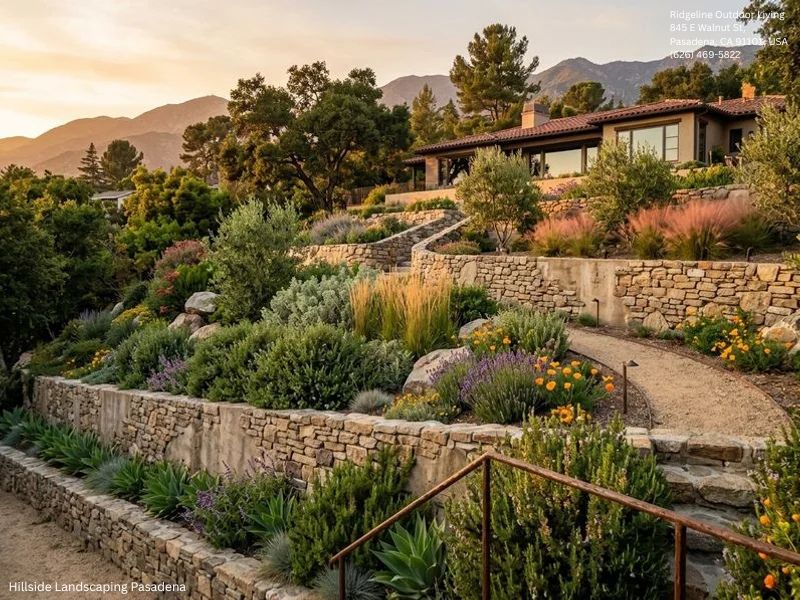
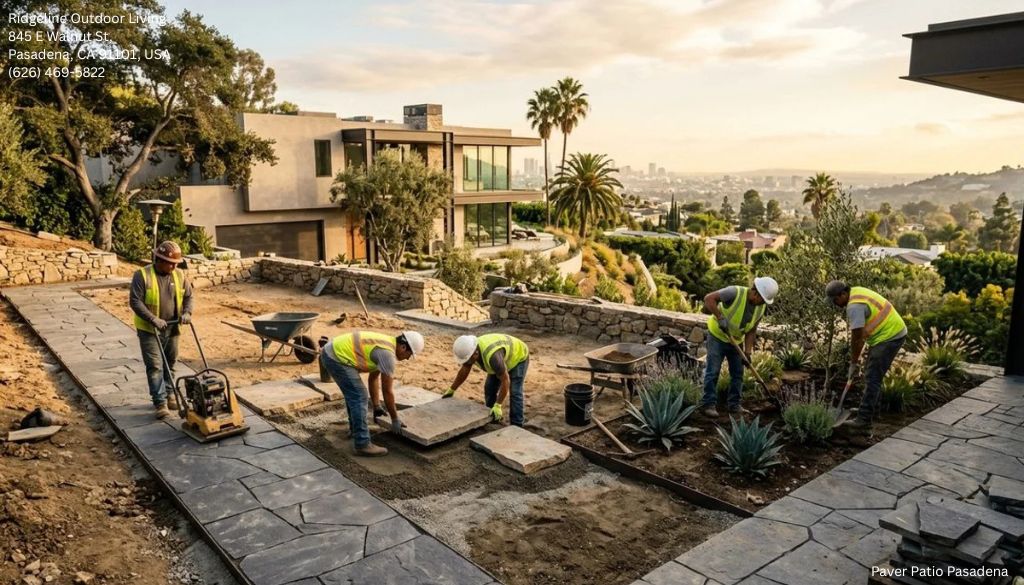
Enhancing hardscape materials like retaining walls and rock borders provide stability and visual framing for water features. Retaining walls help with soil stabilization and erosion control on angled grounds, while paver installation forms durable pathways and patios integrating seamlessly with the aquatic environment.
Garden bridges bring beauty and functionality, granting crossing points that connect different sections of your outdoor living space and boost visitor interaction with the water feature.
Irrigation and Drainage Systems for Water Features
Include irrigation systems featuring moisture sensors and irrigation controllers to optimize water usage around water features and adjacent plantings. Rain gardens and rainwater harvesting techniques can harvest and utilize runoff, minimizing dependence on municipal water supplies and supporting the overall landscape ecosystem.
Drainage pipes play a critical role in diverting excess water away from basins, reducing flooding and supporting sediment control. Designing these systems with sustainability in mind ensures the longevity and environmental harmony of your water features.
Lighting and Aesthetic Enhancements
LED lighting supplies energy-efficient and customizable options to light water features, accents their unique textures and movements after dusk. Landscape lighting principles value safety and ambiance, balancing brightness and subtlety to create inviting outdoor spaces.
Utilize weatherproof devices compatible with pond skimmers and underwater areas to enhance fountains, waterfalls, and natural pools while maintaining aquatic life vitality.
Maintenance and Sustainability of Water Features
Routine pond maintenance is necessary to keep water chemistry balance and pond fish condition. Check parameters such as pH, dissolved oxygen, and nutrient levels to stop harmful algae blooms. Use algae management strategies, including biofiltration and the use of native aquatic plants, to support a healthy aquatic ecosystem naturally.
Seasonal planting and mulching around water features support soil moisture retention and enhance biodiversity. Incorporate sustainable landscaping practices by selecting native plants compatible with your climate, lowering irrigation needs and promoting ecological resilience.
Hiring Professional Landscape Contractors for Water Feature Construction
Choosing the right landscape contractors specializing in water features guarantees your vision is realized with technical precision and artistic flair. Look for professionals with expertise in landscape architecture and demonstrated experience in pond installation, waterfall design, and eco-friendly water feature construction.
Request information on their approach to sustainable landscaping, warranty offerings, and maintenance services. Clear communication about project timelines, costs, and service expectations will support a smooth collaboration and guarantee a water feature that boosts your property’s beauty and value.
Ridgeline Outdoor Living
Ridgeline Outdoor Living is a Pasadena-based landscape design-build company serving Greater Los Angeles with custom outdoor living, hardscape, and drought-tolerant landscape solutions. The company specializes in patios, retaining walls, outdoor kitchens, drainage, hillside projects, and turnkey landscape construction, handling projects from design and permitting through final build and warranty.
Address:
845 E Walnut St,
Pasadena,
CA
91101,
United States
Phone: (626) 469-5822
Map: View on Google Maps
Business Hours:
- Monday – Saturday: 8:00 AM – 6:00 PM
- Sunday: Closed
Follow Us: